


Imagine walking into a high-end department store. In the past, you had to wander through aisles, read directory signs, and flip through product catalogs to find the perfect winter coat. Today, you simply walk up to an impeccably trained personal concierge and ask: *”What is the best durable, stylish winter coat for sub-zero weather under three hundred dollars?”*
The concierge does not hand you a phone book with ten thousand names. They smile, name three specific brands, explain exactly why each one matches your lifestyle, and point you directly to the rack.
This is precisely how modern consumers are shopping and researching online. Platforms like ChatGPT, Perplexity, Google Gemini, and Microsoft Copilot have become the world’s digital concierges. Instead of scrolling through pages of blue links on a traditional search engine, millions of potential buyers now ask artificial intelligence engines for direct answers, product recommendations, and vendor comparisons.
If you run a business, this change brings up a crucial question: Is the digital concierge recommending your brand, or are your competitors getting all the credit?
—
1. The Big Shift: From Keyword Rankings to AI Mindshare
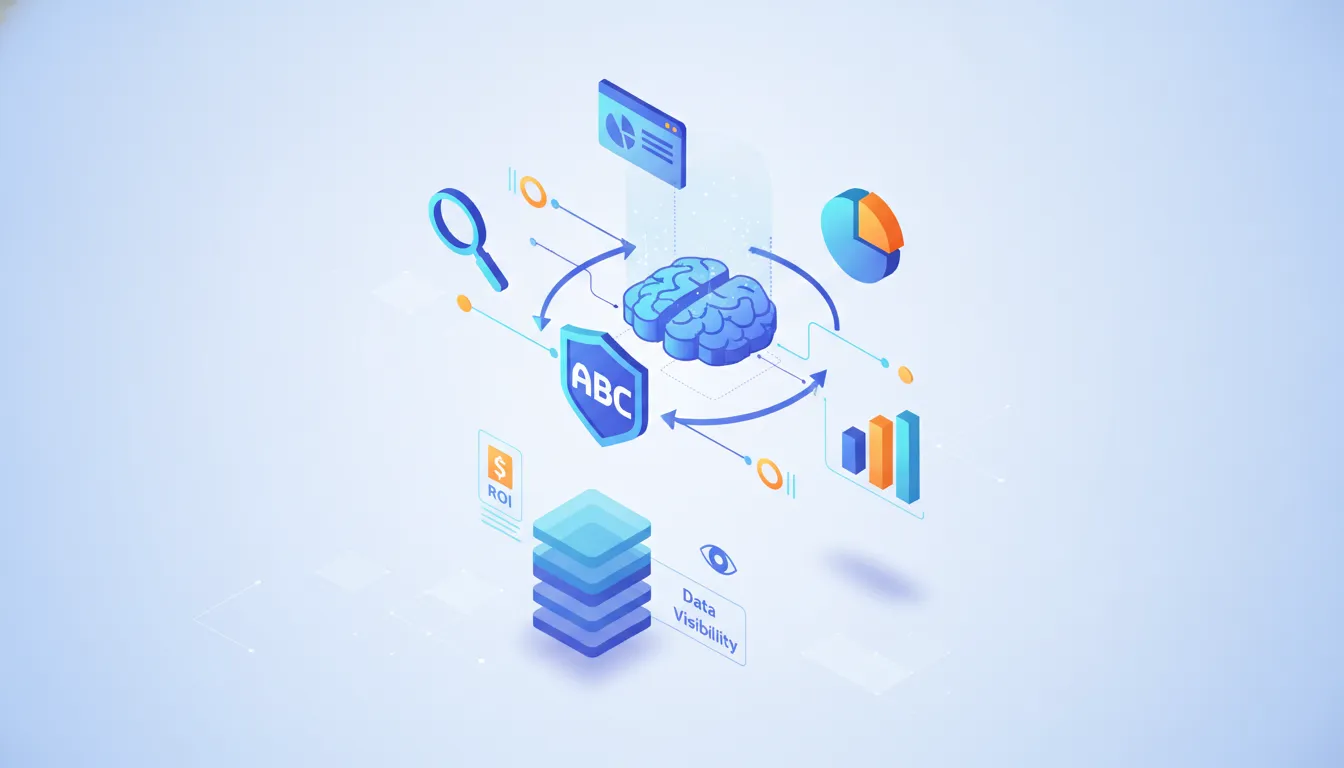
For nearly three decades, digital marketing revolved around a simple playbook: pick a keyword, optimize a webpage, build a few links, and fight for rank number one on Google.
AI search changes the rules of engagement. When an entrepreneur or shopper asks an AI engine a question, the machine does not simply retrieve a list of links. It reads dozens of web pages across the internet in a fraction of a second, synthesizes the facts, weighs public sentiment, and crafts a bespoke summary in complete paragraphs.
Understanding this transformation is essential for modern businesses. In our comprehensive guide on How to Optimize Your Website for AI Search Engines and Win High-Value Customers, we explore how generative search models analyze your site’s authority. Rather than merely matching keywords, AI looks for trust, clarity, factual accuracy, and consensus across the entire web.
When developing a resilient Digital Strategy, you must recognize that AI engines evaluate your company based on two primary elements:
* Synthesized Mentions: Does the AI bring up your business naturally when answering questions related to your niche?
* Source Citations: Does the AI cite your website, case studies, or blog articles as a reliable source of truth when explaining a concept to a user?
Mastering this environment requires a fresh approach to your content production. As detailed in AI-Crafted Content: The Future of SEO and Web Design Mastery, modern search algorithms reward depth, clear structure, and human-first value far more than old-fashioned keyword repetition.
—
2. Core Metrics: What Does “Visibility” Mean in AI Search?

When you measure traditional search marketing, you look at impressions, clicks, bounce rates, and ranking positions. But what do you measure when an AI engine simply writes a paragraph recommending your product?
Here are the four essential metrics every business owner and marketer must track:
💡 Metric 1: Share of Model (SoM)
In traditional marketing, we talk about “Share of Voice”—the percentage of conversation your brand owns in your industry. In the age of artificial intelligence, we track Share of Model.
Share of Model measures how frequently an AI engine recommends your brand across a batch of relevant industry questions compared to your main competitors. For example, if you run twenty different prompt scenarios asking for the best boutique accounting firms in your region, and ChatGPT names your company in ten of those answers, your Share of Model for that query cluster is 50%.
🚀 Metric 2: Citation Frequency
AI engines like Perplexity and Copilot include small clickable footnote citations next to their statements. Tracking citation frequency means measuring how often the AI links directly back to your domain as proof of its answer. Being cited as an authoritative reference is digital gold because it drives highly qualified visitors straight to your service or product pages.
✨ Metric 3: Brand Sentiment and Adjective Association
AI models describe things using descriptive language. When an engine mentions your business, what adjectives does it use?
* Are you described as *”budget-friendly,”* *”innovative,”* *”premium,”* or *”reliable”*?
* Or does the model add caveats like *”has mixed customer reviews”* or *”is known for slower customer support”*?
Tracking sentiment tells you whether the AI is functioning as an enthusiastic advocate or an accidental detractor.
🎯 Metric 4: Position Prominence
Just like human conversation, order matters. If an AI gives a user a bulleted list of three recommendations:
* The first spot captures the lion’s share of attention, trust, and follow-up queries.
* The third spot is often viewed as an alternative or an honorable mention.
Monitoring whether your brand appears as the primary solution or a secondary option gives you clear insight into your perceived authority.
—
3. A Step-by-Step Framework to Track Your Brand (No Technical Skills Required)
You do not need a degree in data science or expensive enterprise software to monitor your AI search visibility. By following this simple four-step process, any business owner or marketing team can establish a dependable tracking routine.
Step 1: Build Your AI Prompt Matrix
To see what AI says about you, you must ask the right questions. Shoppers and business clients do not search by typing single keywords anymore; they ask nuanced questions reflecting their real-world needs.
To capture the entire buyer’s journey, organize your prompts around different search intents. To master this concept, read our guide on The 4 Types of SEO Keywords: How to Attract Paying Customers Instead of Window Shoppers.
Create a list of 15 to 30 natural prompts divided into three categories:
* Category A: Direct Category Discovery (Top of Funnel)
* *”What are the top three customer relationship management software options for real estate agents?”*
* *”Which agencies specialize in sustainable packaging for food brands?”*
* Category B: Direct Competitor Comparisons (Middle of Funnel)
* *”How does [Your Brand] compare to [Competitor Brand] in terms of customer service and price?”*
* *”What are the best alternatives to [Competitor Brand] for small business owners?”*
* Category C: High-Intent Solutions (Bottom of Funnel)
* *”Who should I hire to design a fast, high-converting website for a local medical clinic?”*
* *”What is the most trustworthy company for commercial solar installation in [Your City]?”*
Step 2: Conduct “Mystery Shopping” Across the Big Four AI Engines
Once your Prompt Matrix is ready, set aside one hour every month to test these prompts across the major generative engines:
* ChatGPT (OpenAI): The most popular conversational engine, heavily reliant on massive training data and live web browsing capabilities.
* Perplexity AI: An answer engine built specifically for research, featuring prominent citations and live real-time web verification.
* Microsoft Copilot: Deeply integrated into the Bing search ecosystem, perfect for understanding how everyday corporate professionals encounter your brand.
* Google Gemini: Google’s flagship multimodal AI, which directly influences AI Overviews in standard search results.
Pro-Tip: Always open an Incognito or Private browsing window and log out of your personal accounts before running your test prompts. This prevents the AI from tailoring answers based on your previous browsing habits or personal search history!
Step 3: Track Regional and Local Nuance
If you operate a physical business or serve specific geographic areas, AI engines rely heavily on local directories, Google Business Profiles, and community consensus.
To ensure you are properly captured in location-based AI searches, refer to our walkthrough: The Non-Technical Guide to Dominating Local Search and Winning Nearby Customers.
When running local queries (e.g., *”Find the best emergency plumber near downtown”*), note whether the AI pulls your exact business address, phone number, and operating hours accurately. AI engines frequently mix up outdated information if your business listings are messy.
Step 4: Record Your Findings on a Simple Visibility Scorecard
Set up a clean spreadsheet to log your monthly performance. Use these straightforward columns to track progress over time:
* Date Tested: The day you ran the prompt.
* Platform: ChatGPT, Perplexity, Copilot, or Gemini.
* Prompt Used: The exact question asked.
* Brand Mentioned?: Yes or No.
* Rank Order: Were you recommendation #1, #2, #3, or unlisted?
* Direct Link Cited?: Did the AI link directly to your website?
* Sentiment: Positive, Neutral, or Negative.
* Key Competitors Mentioned: Who else was recommended instead of you?
By reviewing this scorecard each quarter, you will quickly spot patterns. If your Share of Model jumps from 20% to 60% after publishing a series of educational guides, you know your broader Digital Strategy is paying off.
—
4. Measuring True ROI: Connecting AI Visibility to Revenue
Securing mentions in AI search engines is exciting, but vanity metrics do not pay the bills. How do you prove that an increase in AI visibility translates into tangible business growth and sales?
Connecting AI visibility to real revenue comes down to three practical channels:
🚀 Channel 1: Tracking AI-Referral Web Traffic
Modern AI engines do not keep users trapped in an endless walled garden; they send direct referral clicks when users want to verify facts, download resources, or complete purchases.
Inside your Google Analytics (or any privacy-friendly analytics platform), monitor your Referral Traffic sources. Look specifically for these emerging domains:
* `perplexity.ai`
* `chatgpt.com` / `android-app://com.openai.chatgpt`
* `copilot.microsoft.com`
* `gemini.google.com`
Users who arrive from an AI recommendation are often far deeper in the buying cycle than someone browsing random search results. They have already asked questions, evaluated alternatives, and clicked a link specifically because the AI recommended that company as a premier answer.
💡 Channel 2: Adding Self-Reported Attribution (“Zero-Click Tracking”)
A huge portion of AI search journeys happen without an immediate link click. A prospective customer might ask ChatGPT for the top three project management consultancies, see your brand listed at number one, and then open a browser window two days later to type your name directly into the search bar.
To capture this hidden revenue, implement a simple, frictionless field on your contact forms, checkout screens, or intake surveys:
“*”How did you first hear about our company?”*”
Make this an open text field instead of a rigid dropdown menu. You will be amazed at how many paying clients write: *”ChatGPT recommended you,”* or *”Perplexity said you were the best fit for my boutique firm.”* That is direct, measurable return on your AI presence.
✨ Channel 3: Tracking Branded Search Volume Spikes
When an AI engine highlights your brand as an industry leader, prospective customers frequently turn to Google to research your founders, read customer reviews, and browse your portfolio.
Keep a close eye on your Google Search Console data. When you observe a sustained rise in searches for your exact brand name alongside words like *”pricing,”* *”reviews,”* or *”services,”* you are witnessing the halo effect of high AI prominence.
—
5. How to Boost Your Visibility When AI Overlooks Your Brand
What happens if you run your Prompt Matrix and discover that the AI engines have no idea who you are—or worse, are recommending your direct competitors?
Do not panic. You do not need a complete digital overhaul; you simply need to align your content publishing habits with the way machine learning models gather information.
Publish Fact-Dense, Direct-Answer Content
AI systems love clarity. When an AI scans a website, it skips fluff, exaggerated marketing buzzwords, and vague poetry. It hunts for direct, clear definitions and factual evidence.
To discover how to generate high-performing, authoritative material that answers user questions instantly, study our insights on AI-Powered Content Magic: Instantly Boost Your Website’s Visibility.
Furthermore, you can fine-tune existing articles using the techniques covered in Revolutionize Your Website with AI-Powered Content Optimization Techniques. When you format information using clear headers, short sentences, and bulleted takeaways, conversational models can parse and cite your pages with ease.
Perfect Your Headlines and Metadata
Before an AI search engine cites your web pages, it assesses your headlines and meta descriptions to understand the scope and intent of your content.
* Craft compelling titles by applying the frameworks in AI-Created Headlines: Boost Your Clicks with Automated News Titles.
* Ensure your summary tags are sharp and context-rich using our guide on AI-Crafted Meta Descriptions: The Secret Sauce for Instant Visibility.
Clear metadata makes it effortless for web-crawling algorithms to index your insights, assign trust, and pull direct quotes into generative answers.
Ensure Your Website Converts the Traffic You Attract
Gaining AI visibility is only half the battle. When an AI engine links an eager buyer to your landing page, your website must instantly validate that trust and make it effortless for them to book a call or buy a product.
Explore modern design frameworks in AI-Powered Web Design: Layouts That Convert Visits into Sales. If your site is slow, cluttered, or difficult to navigate on mobile devices, the high-intent traffic you worked so hard to attract will leave without taking action.
Keep Your Platform Fast, Clean, and Easy to Maintain
Maintaining an authoritative website does not require spending dozens of hours every week on technical upkeep. If your business runs on popular platforms like WordPress, you can streamline your everyday workflow using artificial intelligence tools. Learn how in our guide: How to Manage Your WordPress Website with ChatGPT or Claude.
—
6. Three Common Pitfalls to Avoid When Tracking AI Search
As you build this monitoring routine into your marketing habits, keep your eyes open for these three frequent misconceptions:
⚠️ Pitfall 1: Panic Over Single-Session Hallucinations
Generative AI models are probabilistic machines, not static databases. If ChatGPT fails to mention your company on a single Tuesday afternoon, it does not mean your business has been erased from the web. Always look for long-term trends over dozens of tests rather than panicking over a single output.
⚠️ Pitfall 2: Neglecting Off-Page Digital Consensus
AI search models do not only read your website. They read Reddit threads, YouTube transcripts, third-party review platforms, industry press releases, and news articles. If your website claims you are the top-rated consultant, but review platforms tell a different story, the AI will prioritize the public consensus over your self-praise. Cultivate genuine customer feedback across independent sites.
⚠️ Pitfall 3: Chasing “Rankings” Instead of Clarity
In traditional search engine optimization, businesses obsess over ranking in the number one slot. In conversational AI search, being mentioned in context as the *”ideal solution for budget-conscious families”* or the *”most reliable vendor for enterprise security”* is far more valuable than simply being first on a generic list. Aim for positive, highly accurate positioning rather than arbitrary placement numbers.
—
7. Your 30-Day AI Brand Visibility Action Plan
Ready to take control of how the digital world sees your business? Here is your straightforward 30-day plan to integrate AI search monitoring into your ongoing Digital Strategy:
Week 1: Audit and Discover
* Write down your 20 core buyer prompts across Category A, B, and C intent types.
* Run tests in private browsing windows across ChatGPT, Perplexity, Copilot, and Gemini.
* Establish your baseline Visibility Scorecard spreadsheet.
Week 2: Identify Content Gaps
* Identify which competitors are being consistently recommended ahead of you.
* Analyze what those competitors have published: Are they providing clearer pricing, better case studies, or simpler educational guides?
* List three specific topics where your brand has unique, proprietary expertise that an AI engine could cite.
Week 3: Upgrade Your Digital Assets
* Publish two high-quality, authoritative guides answering frequent industry questions directly.
* Update your website’s core pages with clear headings, bulleted takeaways, and updated metadata.
* Ensure all regional and local directories are consistent and accurate.
Week 4: Measure, Attribute, and Refine
* Add a simple *”How did you hear about us?”* open text field to your customer intake forms.
* Check your website analytics for incoming referral clicks from AI platforms.
* Re-run your Prompt Matrix, record your new Share of Model figures, and celebrate your progress!
—
The Bottom Line
The way people discover, evaluate, and purchase from businesses has fundamentally changed. The era of scrolling through pages of blue links is giving way to a world of intelligent, conversational answers.
By monitoring how your brand is synthesized, cited, and recommended by AI engines, you step into the future of marketing with eyes wide open. You no longer have to guess whether your business is part of the conversation. With a clear tracking routine, practical metrics, and an authoritative Digital Strategy, you can ensure that whenever a digital concierge recommends a solution to an eager customer, your business is the first one that comes to mind. 🚀
Ready to Scale Your Digital Infrastructure?
Discuss your project around How to Track Your Brand in AI Search: A Practical Guide to Measuring Visibility and ROI directly with our senior experts.